The Ultimate Healthy Eating Grocery List
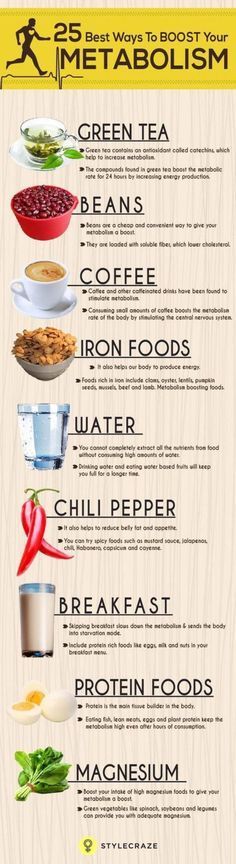
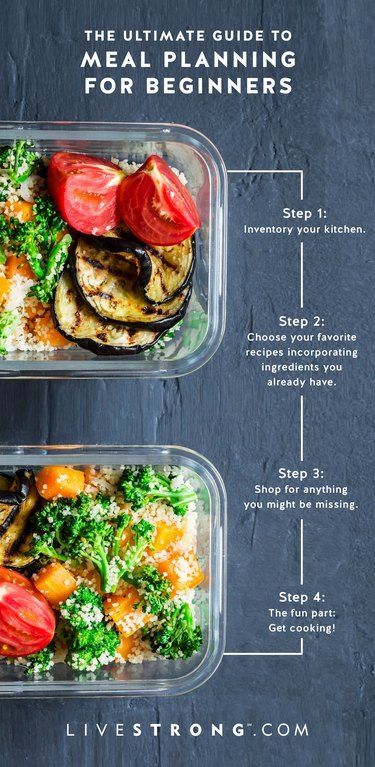
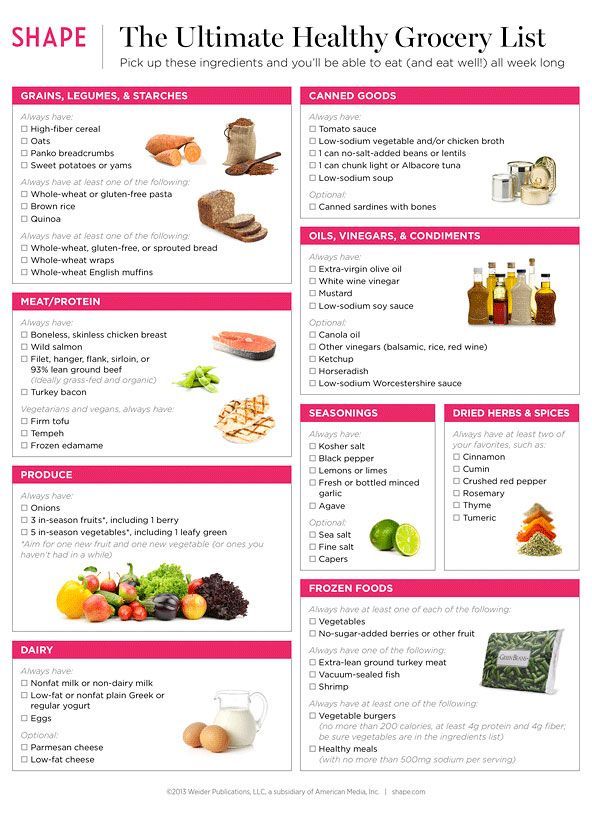
Eating healthy is essential for maintaining a balanced lifestyle and ensuring optimal health. One of the best ways to promote a nutritious diet is by stocking your kitchen with wholesome ingredients. Creating a well-rounded grocery list can make it easier to make healthier choices when it comes to meal planning and cooking. To help you get started, we’ve put together the ultimate healthy eating grocery list to guide you on your journey to better eating habits.
Fruits and Vegetables
When it comes to healthy eating, fruits and vegetables should be the foundation of your diet. These nutrient-packed foods are rich in vitamins, minerals, and antioxidants that help support overall health and well-being. Include a variety of colors to ensure you’re getting a wide range of nutrients. Some examples of fruits and vegetables to add to your grocery list include:
Leafy greens (spinach, kale, arugula)
Berries (blueberries, strawberries, raspberries)
Citrus fruits (oranges, lemons, grapefruits)
Cruciferous vegetables (broccoli, cauliflower, Brussels sprouts)
Root vegetables (sweet potatoes, carrots, beets)
Whole Grains
Whole grains are an excellent source of fiber and complex carbohydrates, which provide sustained energy and help keep you feeling full and satisfied. Opt for whole grains over refined options to maximize their nutritional benefits. Some healthy whole grains to add to your grocery list include:
Quinoa
Brown rice
Oats
Barley
Buckwheat
Proteins
Protein is essential for building and repairing tissues, as well as supporting muscle health and satiety. Incorporate a variety of lean protein sources into your diet to ensure you’re meeting your daily protein needs. Some examples of healthy proteins to add to your grocery list include:
Chicken breast
Salmon
Tofu
Beans and legumes
Eggs
Dairy and Dairy Alternatives
Dairy products and dairy alternatives are rich in calcium and vitamin D, which are important for bone health and overall wellbeing. Opt for low-fat or non-fat options to reduce saturated fat intake. Some examples of dairy and dairy alternatives to add to your grocery list include:
Greek yogurt
Almond milk
Cottage cheese
Cheese (in moderation)
Soy milk
Healthy Fats
Incorporating healthy fats into your diet is important for supporting brain function, hormone production, and overall health. Opt for unsaturated fats like avocado, nuts, seeds, and olive oil to promote heart health and reduce inflammation. Some examples of healthy fats to add to your grocery list include:
Avocado
Almonds
Chia seeds
Flaxseeds
Extra virgin olive oil
Snacks and Treats
While it’s important to focus on nutritious whole foods, it’s also important to have some healthy snacks and treats on hand to satisfy cravings and prevent overindulging in less healthy options. Some examples of healthy snacks and treats to add to your grocery list include:
Rice cakes
Hummus
Dark chocolate
Popcorn
Fresh fruit
Conclusion
By incorporating a variety of nutrient-dense foods into your grocery list, you can make healthy eating more accessible and sustainable. Use this ultimate healthy eating grocery list as a guide to help you make better choices at the supermarket and in the kitchen. Remember, it’s all about balance and moderation when it comes to maintaining a healthy diet. Happy shopping and happy eating!