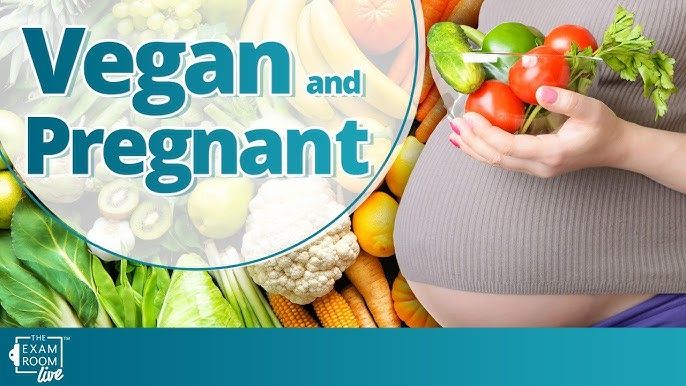
Vegan Pregnancy: What You Need to Know
When it comes to vegan pregnancy, proper nutrition is key. It’s important to ensure that you are getting all the necessary nutrients for both you and your growing baby. This includes essential vitamins and minerals such as B12, iron, calcium, and omega-3 fatty acids.
Supplements to Consider
Due to the absence of certain nutrients in a vegan diet, it may be necessary to take supplements during pregnancy. Some supplements to consider include prenatal vitamins, vitamin D, and omega-3 supplements derived from algae.
Protein Sources for Vegans
Protein is essential for the growth and development of your baby during pregnancy. Some excellent plant-based sources of protein include beans, lentils, tofu, tempeh, quinoa, and nuts and seeds. It’s important to include a variety of protein sources in your diet to ensure you are getting all the essential amino acids.
Iron-Rich Foods
Iron is crucial during pregnancy to prevent anemia and support your baby’s growth. Some vegan sources of iron include leafy green vegetables, lentils, fortified cereals, and dried fruits. It’s also recommended to consume vitamin C-rich foods alongside iron-rich foods to enhance iron absorption.
Calcium and Vitamin D
Calcium is essential for the development of your baby’s bones and teeth. Good vegan sources of calcium include fortified plant-based milk, tofu, kale, and almonds. Vitamin D is important for calcium absorption and can be obtained from fortified foods and sunlight exposure.
Omega-3 Fatty Acids
Omega-3 fatty acids are crucial for the development of your baby’s brain and eyes. While fish is a common source of omega-3s, vegans can obtain these essential fatty acids from algae-based supplements. Flaxseeds, chia seeds, hemp seeds, and walnuts are also good sources of ALA, a plant-based omega-3 fatty acid.
Consulting with a Healthcare Provider
It’s important to consult with a healthcare provider before and during your vegan pregnancy to ensure you are meeting all your nutritional needs. They can provide guidance on proper supplementation and monitor your health and the development of your baby throughout the pregnancy.
Conclusion
Vegan pregnancy is entirely possible with proper planning and attention to nutrition. By focusing on a well-rounded diet that includes a variety of plant-based foods, along with appropriate supplementation and regular monitoring by a healthcare provider, you can have a healthy and successful vegan pregnancy. Remember to listen to your body, prioritize your health and the health of your baby, and enjoy this exciting journey into parenthood.