
Intermittent Fasting Explained: Benefits & Risks
Intermittent fasting has gained popularity in the health and wellness community as a way to improve health, aid in weight loss, and even boost brain function. But what exactly is intermittent fasting and what are the benefits and risks associated with this dietary practice? Let’s dive into the science behind intermittent fasting and explore both the pros and cons.
What is Intermittent Fasting?
Intermittent fasting is a dietary approach that involves alternating periods of eating and fasting. There are several different methods of intermittent fasting, including the 16/8 method, where you fast for 16 hours and eat within an 8-hour window, the 5:2 method, where you eat normally for five days and restrict calories for two days, and the alternate day fasting method, where you eat normally one day and fast the next.
Benefits of Intermittent Fasting
Weight Loss
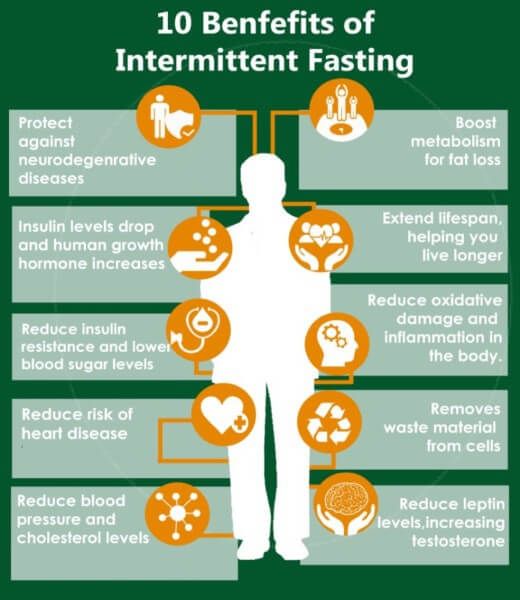
One of the main reasons people turn to intermittent fasting is for weight loss. By restricting the time window in which you eat, you naturally consume fewer calories, which can lead to a caloric deficit and weight loss over time. Additionally, intermittent fasting has been shown to increase metabolism and promote fat loss while preserving muscle mass.
Improved Metabolic Health
Intermittent fasting has been shown to improve various markers of metabolic health, including insulin sensitivity, blood sugar levels, and cholesterol levels. This can reduce the risk of developing type 2 diabetes, heart disease, and other chronic conditions.
Brain Health
Research suggests that intermittent fasting may have neuroprotective effects and improve brain function. By reducing inflammation, promoting the growth of new nerve cells, and increasing the production of brain-derived neurotrophic factor (BDNF), intermittent fasting may protect against neurodegenerative diseases and improve cognitive function.
Risks of Intermittent Fasting
Physical Side Effects
While intermittent fasting can be safe for most people, it may not be suitable for everyone. Some individuals may experience physical side effects such as headaches, dizziness, fatigue, irritability, or difficulty concentrating during fasting periods. It’s important to listen to your body and adjust your fasting schedule if you experience these symptoms.
Eating Disorders
For people with a history of eating disorders or disordered eating patterns, intermittent fasting may trigger unhealthy behaviors or feelings of guilt and shame around food. It’s essential to consult with a healthcare professional before starting any fasting regimen if you have a history of disordered eating.
Nutritional Deficiencies
If not done correctly, intermittent fasting can lead to nutritional deficiencies if you’re not getting enough essential nutrients during your eating window. It’s crucial to focus on nutrient-dense foods and consult with a registered dietitian to ensure you’re meeting your nutritional needs while following an intermittent fasting plan.
Conclusion
Intermittent fasting can be a valuable tool for improving health, promoting weight loss, and enhancing brain function. However, it’s essential to weigh the benefits against the risks and consider individual factors such as medical history, lifestyle, and goals when deciding if intermittent fasting is right for you. Consulting with a healthcare provider or nutritionist can help you create a safe and effective fasting plan that meets your needs and promotes overall well-being.