How to Build a Balanced Plate: A Beginners Guide
When it comes to eating a healthy diet, one of the most important things to consider is building a balanced plate. A balanced plate not only provides your body with the nutrients it needs to function properly, but it also helps you maintain a healthy weight and reduce your risk of chronic diseases. In this beginner’s guide, we will walk you through the steps of building a balanced plate for every meal.
1. Fill Half Your Plate with Vegetables
Vegetables are packed with vitamins, minerals, and fiber that are essential for good health. Aim to fill half of your plate with a variety of colorful vegetables such as spinach, broccoli, bell peppers, and carrots. This will ensure that you get a wide range of nutrients and antioxidants that support your overall well-being.
2. Include Lean Protein
Protein is important for building and repairing tissues in your body. When building your plate, make sure to include a serving of lean protein such as chicken, turkey, fish, tofu, or legumes. Aim to fill a quarter of your plate with protein-rich foods to keep you feeling full and satisfied throughout the day.
3. Add Whole Grains
Whole grains are a great source of fiber, vitamins, and minerals that are crucial for good health. When planning your meals, include a serving of whole grains such as brown rice, quinoa, oats, or whole-wheat bread. This will provide you with sustained energy and help regulate your blood sugar levels.
4. Don’t Forget Healthy Fats
Healthy fats are necessary for absorbing certain vitamins and supporting brain health. Incorporate a small serving of healthy fats such as avocado, nuts, seeds, or olive oil into your meals. Remember that portion control is key when it comes to fats, so be mindful of how much you are adding to your plate.
5. Limit Added Sugars and Processed Foods
While it’s important to include a variety of nutrients in your diet, it’s equally important to limit foods that are high in added sugars and processed ingredients. These types of foods can lead to weight gain, inflammation, and an increased risk of chronic diseases. Instead, focus on whole, unprocessed foods that nourish your body and support your overall health.
6. Stay Hydrated
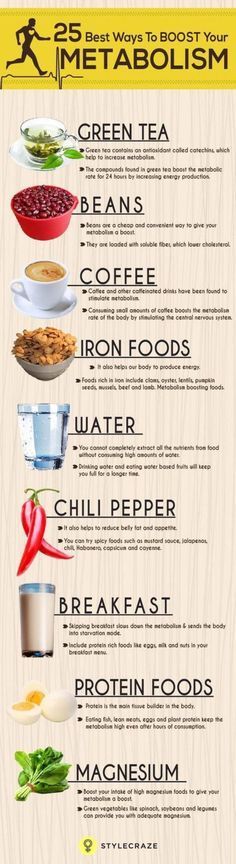
Hydration is essential for proper digestion, nutrient absorption, and overall health. Make sure to drink plenty of water throughout the day to stay hydrated and support your body’s functions. You can also include hydrating foods such as fruits and vegetables in your meals to boost your water intake.
Conclusion
Building a balanced plate doesn’t have to be complicated. By following these simple guidelines and incorporating a variety of nutrient-dense foods into your meals, you can ensure that your body gets the essential nutrients it needs to thrive. Remember to listen to your body’s hunger and fullness cues, and adjust your portion sizes accordingly. With a little practice, you’ll be able to build a balanced plate that not only nourishes your body but also supports your overall health and well-being.