
Low-Carb Diet Guide: What to Eat and Avoid
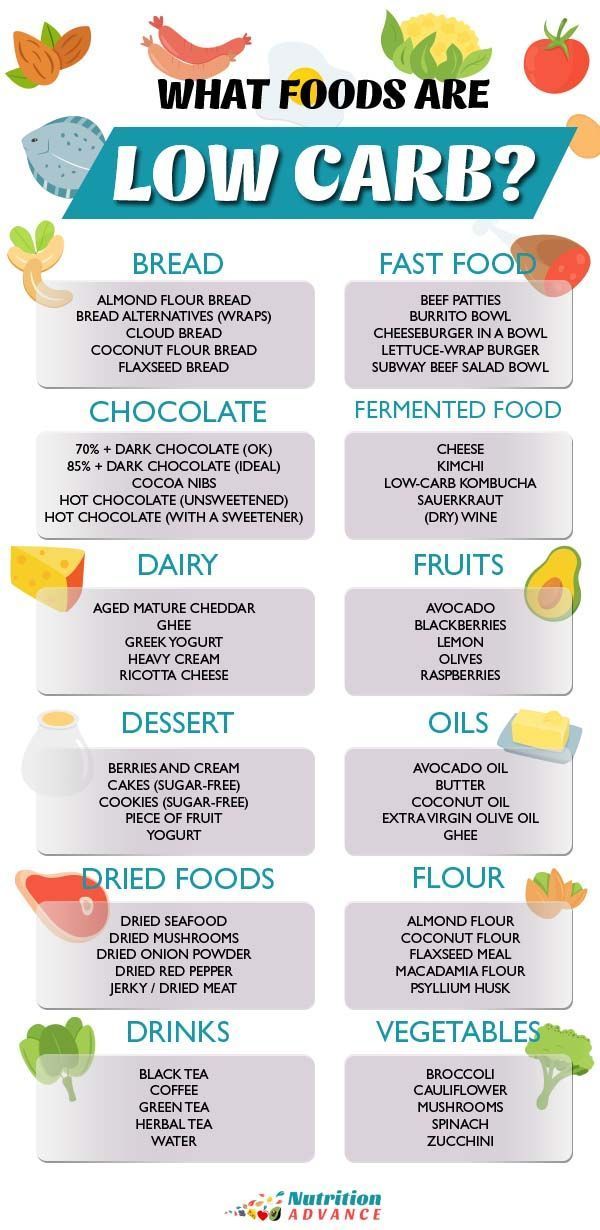
If you’re considering a low-carb diet to help with weight loss or to improve your overall health, it’s important to know what foods you should be eating and which ones you should avoid. In this comprehensive guide, we’ll break down the essentials of a low-carb diet and provide you with a list of foods to include in your meal plan as well as those to steer clear of.
What is a Low-Carb Diet?
A low-carb diet is a dietary plan that restricts the intake of carbohydrates, particularly those found in grains, starchy vegetables, and sugary foods. By reducing your carb intake, your body is forced to burn fat for fuel instead of relying on glucose from carbs. This can lead to weight loss, improved blood sugar control, and better overall health.
What to Eat on a Low-Carb Diet
1. Protein-Rich Foods
Protein is an essential macronutrient that should make up a significant portion of your low-carb diet. Include sources such as lean meats, poultry, fish, eggs, and tofu in your meals to help promote satiety and support muscle growth and repair.
2. Non-Starchy Vegetables
Vegetables are rich in fiber, vitamins, and minerals, making them an important part of any healthy diet. Opt for non-starchy veggies like leafy greens, broccoli, cauliflower, and bell peppers to add color and nutrients to your meals without the added carbs.
3. Healthy Fats
Fats are another key component of a low-carb diet. Include sources such as avocados, nuts, seeds, olive oil, and fatty fish in your meals to help keep you full and satisfied. Healthy fats can also provide essential fatty acids and promote heart health.
4. Low-Carb Fruits
While some fruits are high in sugar and carbs, there are still options that can be enjoyed in moderation on a low-carb diet. Berries like strawberries, blueberries, and raspberries are lower in carbs and can add natural sweetness to your meals without spiking your blood sugar levels.
Foods to Avoid on a Low-Carb Diet
1. Sugar and Sweets
Avoid foods and beverages high in sugar, such as soda, candy, baked goods, and sugary cereals. These products can lead to spikes in blood sugar levels and contribute to weight gain.
2. Grains and Starchy Vegetables
Avoid grains like wheat, rice, and oats, as well as starchy vegetables like potatoes, corn, and peas. These foods are high in carbs and can derail your low-carb diet efforts.
3. Processed Foods
Steer clear of processed foods like chips, crackers, and fast food items that are typically high in carbs, unhealthy fats, and additives. Opt for whole, minimally processed foods whenever possible.
4. Sugary Condiments and Sauces
Many condiments and sauces are loaded with added sugars, which can quickly add up in carb count. Check nutrition labels and opt for sugar-free or homemade versions instead.
Final Thoughts
Following a low-carb diet can be a sustainable way to improve your health and manage your weight. By focusing on protein-rich foods, non-starchy vegetables, healthy fats, and low-carb fruits while avoiding sugar, grains, processed foods, and sugary condiments, you can create a balanced and satisfying meal plan that supports your goals.
