Keto vs Paleo vs Mediterranean: Which Diet Is Right for You?
Choosing the right diet can be a daunting task, especially with so many options available. In the tech world, where we are constantly bombarded with information, it’s important to find a diet that not only fits your lifestyle but also helps you stay healthy and energized. Three popular diets that have gained attention in recent years are the Keto, Paleo, and Mediterranean diets. Each has its own set of principles and benefits, but which one is right for you?
Keto Diet
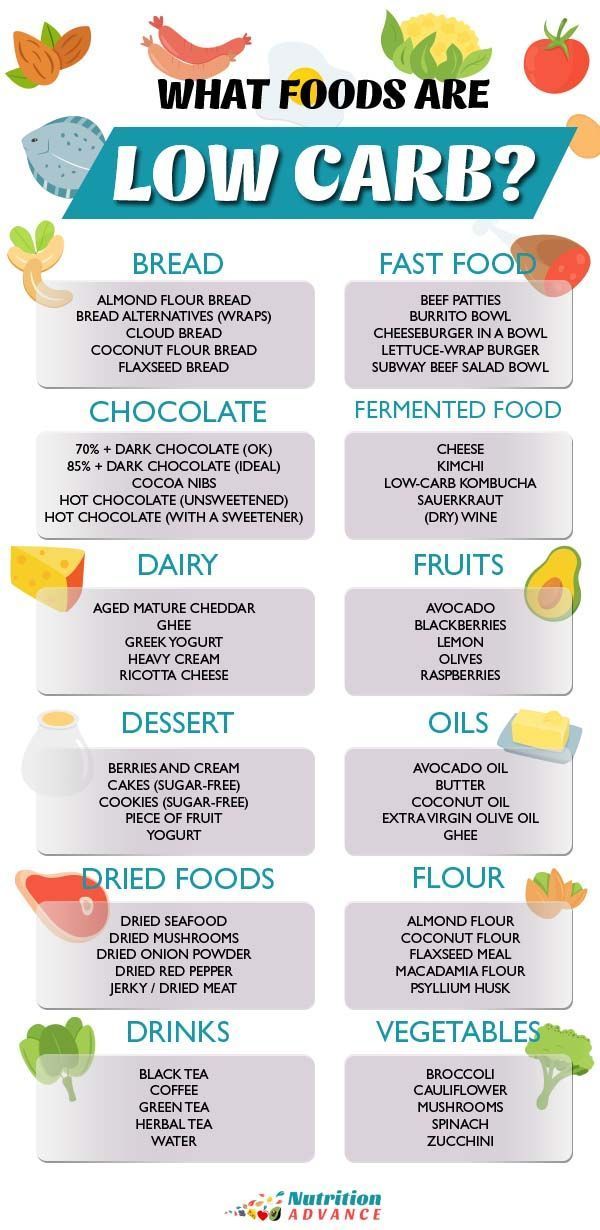
The Keto diet, short for ketogenic diet, is a high-fat, low-carbohydrate diet that has gained popularity for its potential weight loss benefits and ability to improve mental clarity and energy levels. The main principle of the Keto diet is to enter a state of ketosis, where the body burns fat for fuel instead of carbohydrates. This can lead to rapid weight loss and improved overall health.
Pros of the Keto Diet
Rapid weight loss
Improved mental clarity
Stable energy levels
Cons of the Keto Diet
Restrictive nature of the diet
Potential side effects such as the “Keto flu”
Difficulty in maintaining long-term
Paleo Diet
The Paleo diet, also known as the “caveman diet,” is based on eating whole, unprocessed foods that mimic what our ancestors ate during the Paleolithic era. This diet focuses on lean proteins, fruits, vegetables, nuts, and seeds while eliminating grains, dairy, and processed foods. The Paleo diet aims to reduce inflammation in the body and promote overall health and well-being.
Pros of the Paleo Diet
Focuses on whole, unprocessed foods
Reduces inflammation in the body
Promotes weight loss
Cons of the Paleo Diet
Eliminates major food groups such as grains and dairy
Can be expensive due to the focus on high-quality, organic foods
May be difficult to maintain long-term
Mediterranean Diet
The Mediterranean diet is based on the eating habits of people in Mediterranean countries such as Italy and Greece. This diet emphasizes whole grains, legumes, fruits, vegetables, fish, and healthy fats like olive oil. The Mediterranean diet is known for its heart-healthy benefits and has been shown to reduce the risk of chronic diseases such as heart disease and diabetes.
Pros of the Mediterranean Diet
Emphasizes whole, nutrient-dense foods
Rich in heart-healthy fats like olive oil
Reduces the risk of chronic diseases
Cons of the Mediterranean Diet
Moderate wine consumption may not be suitable for everyone
May be difficult for those with dietary restrictions such as gluten intolerance
Requires a shift in eating habits for those used to a Western diet
Conclusion
When it comes to choosing the right diet for you, it’s important to consider your goals, preferences, and lifestyle. The Keto diet may be beneficial for rapid weight loss and improved energy levels, but it may not be sustainable in the long run. The Paleo diet focuses on whole, unprocessed foods and reducing inflammation, but it can be restrictive and expensive. The Mediterranean diet offers heart-healthy benefits and a balanced approach to eating, but it may require a shift in eating habits.
Ultimately, the best diet for you is one that you can maintain and enjoy in the long term. Consider consulting with a nutritionist or healthcare provider to determine which diet is right for your individual needs and goals.