
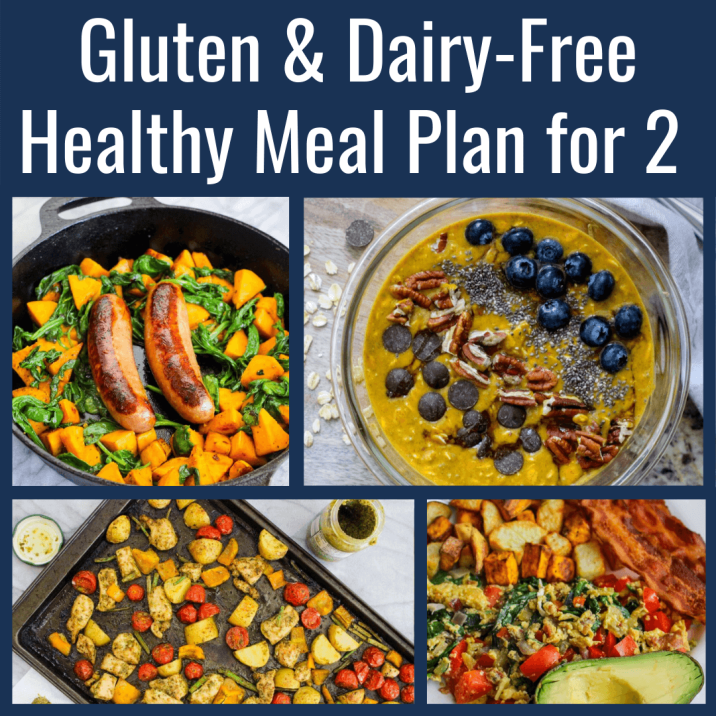
Gluten-Free Diet 101: Meal Plan & Shopping Tips
As more and more people are turning to gluten-free diets for health reasons or by choice, it’s essential to have a solid meal plan and shopping tips to navigate this dietary change successfully. In this article, we will guide you through the basics of a gluten-free diet, provide you with a sample meal plan, and offer some helpful tips for gluten-free shopping.
What is a Gluten-Free Diet?
A gluten-free diet is one that excludes the protein gluten, which is found in wheat, barley, and rye. Individuals with gluten intolerance, celiac disease, or those looking to improve their overall health often choose to follow a gluten-free diet. It’s important to note that going gluten-free requires careful planning to ensure you’re still getting all the necessary nutrients your body needs.
Sample Gluten-Free Meal Plan
Here’s a sample day of meals to give you an idea of what a gluten-free meal plan could look like:
Breakfast
Gluten-free oatmeal with fresh berries and almonds
Lunch
Grilled chicken salad with mixed greens, avocado, and a balsamic vinaigrette dressing
Snack
Rice cakes with almond butter and sliced banana
Dinner
Grilled salmon with quinoa and roasted vegetables
Gluten-Free Shopping Tips
When shopping for gluten-free products, it’s essential to read labels carefully and be aware of hidden sources of gluten. Here are some tips to help you shop successfully:
1. Look for Certified Gluten-Free Labels
Products that are certified gluten-free have been tested and verified to contain less than 20 parts per million (ppm) of gluten, making them safe for those with gluten sensitivities.
2. Choose Whole, Unprocessed Foods
Fruits, vegetables, lean proteins, and gluten-free grains like quinoa and rice are naturally gluten-free and should make up the bulk of your diet.
3. Beware of Cross-Contamination
When shopping for gluten-free products, be mindful of cross-contamination issues. Look for products that are certified gluten-free and made in a dedicated gluten-free facility to reduce the risk of contamination.
4. Explore Gluten-Free Alternatives
There are plenty of gluten-free alternatives to traditional wheat-based products, such as gluten-free pasta, bread, and baking mixes. Experiment with different brands to find ones you enjoy.
Conclusion
Following a gluten-free diet can be challenging at first, but with the right meal plan and shopping tips, you can navigate this dietary change successfully. Remember to focus on whole, unprocessed foods, read labels carefully, and experiment with gluten-free alternatives to keep your diet diverse and nutritious.