
Calorie Deficit 101: What It Is & How to Achieve It
When it comes to achieving weight loss goals, one of the key factors to consider is creating a calorie deficit. But what exactly is a calorie deficit, and how can you achieve it in a safe and sustainable way? In this article, we will explore the basics of a calorie deficit and provide tips on how to effectively implement it into your lifestyle.
What is a Calorie Deficit?
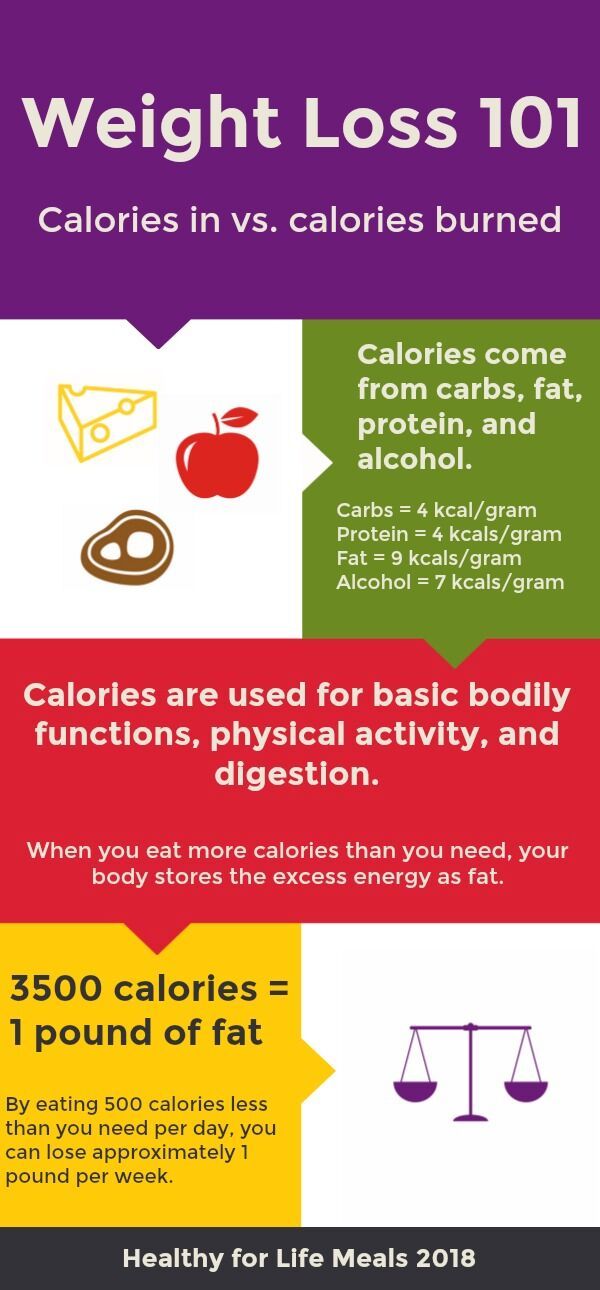
A calorie deficit is a state in which you are consuming fewer calories than your body needs to maintain its current weight. This imbalance between energy intake and energy expenditure forces your body to tap into its stored fat for fuel, resulting in weight loss over time.
To put it simply, if you burn more calories than you consume, you will create a calorie deficit and lose weight. On the other hand, if you consume more calories than you burn, you will be in a calorie surplus and gain weight.
How to Calculate Your Calorie Needs
Before you can create a calorie deficit, you first need to determine how many calories your body needs to maintain its current weight. This can be done by calculating your Basal Metabolic Rate (BMR) and factoring in your activity level using the Harris-Benedict equation.
Once you have calculated your total daily energy expenditure (TDEE), you can then subtract 500-1000 calories from this number to create a calorie deficit of 1-2 pounds per week, which is considered a safe and sustainable rate of weight loss.
Tips for Achieving a Calorie Deficit
1. Track Your Food Intake
One of the most effective ways to create a calorie deficit is to track your food intake using a food diary or a mobile app. By keeping track of what you eat and drink, you can better understand your eating habits and make informed choices to reduce your calorie intake.
2. Focus on Nutrient-Dense Foods
When trying to achieve a calorie deficit, it’s important to prioritize nutrient-dense foods that are high in vitamins, minerals, and fiber. These foods will keep you feeling full and satisfied while providing essential nutrients for overall health and well-being.
3. Increase Your Physical Activity
In addition to reducing your calorie intake, you can also create a calorie deficit by increasing your physical activity. Incorporating regular exercise into your routine can help you burn more calories and improve your overall fitness level.
4. Be Mindful of Portion Sizes
Portion control is key when trying to achieve a calorie deficit. Be mindful of serving sizes and avoid overeating, especially when dining out or snacking mindlessly. Using smaller plates and measuring portions can help you stay on track with your calorie goals.
Conclusion
Creating a calorie deficit is a fundamental aspect of weight loss that can help you achieve your health and fitness goals. By calculating your calorie needs, tracking your food intake, choosing nutrient-dense foods, increasing your physical activity, and being mindful of portion sizes, you can successfully create a calorie deficit and reach your desired weight in a safe and sustainable manner.
Remember, it’s important to consult with a healthcare provider or a registered dietitian before making significant changes to your diet or exercise routine to ensure that you are meeting your nutritional needs and staying healthy throughout your weight loss journey.