
Athlete Nutrition Guide: Fueling for Performance
As an athlete, your performance heavily relies on the quality of fuel you provide your body. Proper nutrition is essential for optimal performance, endurance, and recovery. While training plays a significant role in improving athletic performance, nutrition is often underestimated.
Fueling Before Exercise
Before engaging in any physical activity, it is crucial to fuel your body with the right nutrients. Carbohydrates are the primary source of energy for athletes and should constitute the majority of your pre-workout meal. Opt for complex carbohydrates such as whole grains, fruits, and vegetables to sustain energy levels during exercise.
Hydration is Key
Staying hydrated is just as important as eating the right foods. Proper hydration ensures that your body can function at its best, especially during intense workouts. Make sure to drink plenty of water throughout the day and consume a sports drink to replenish electrolytes lost through sweat.
Post-Workout Recovery
After a strenuous workout, your body needs to recover and repair muscles. Consuming a combination of protein and carbohydrates within 30 minutes of finishing exercise is crucial for optimal recovery. This will help replenish glycogen stores, repair muscle tissue, and reduce muscle soreness.
Optimal Macronutrient Ratio for Athletes
As an athlete, it is important to maintain a balanced diet that consists of the right macronutrient ratio. Your diet should include:
Carbohydrates: 45-65% of total caloric intake
Protein: 10-35% of total caloric intake
Fats: 20-35% of total caloric intake
Key Micronutrients for Athletes
In addition to macronutrients, athletes should also pay attention to their intake of key micronutrients. Some important micronutrients for athletes include:
Vitamin D: essential for bone health and immune function
Iron: important for oxygen transport in the blood
Calcium: crucial for bone health and muscle function
Supplementation
While a well-rounded diet should provide most of the nutrients athletes need, supplementation may be necessary to fill in any gaps. Consulting a registered dietitian or sports nutritionist can help determine if supplementation is necessary for your individual needs.
Meal Planning for Athletes
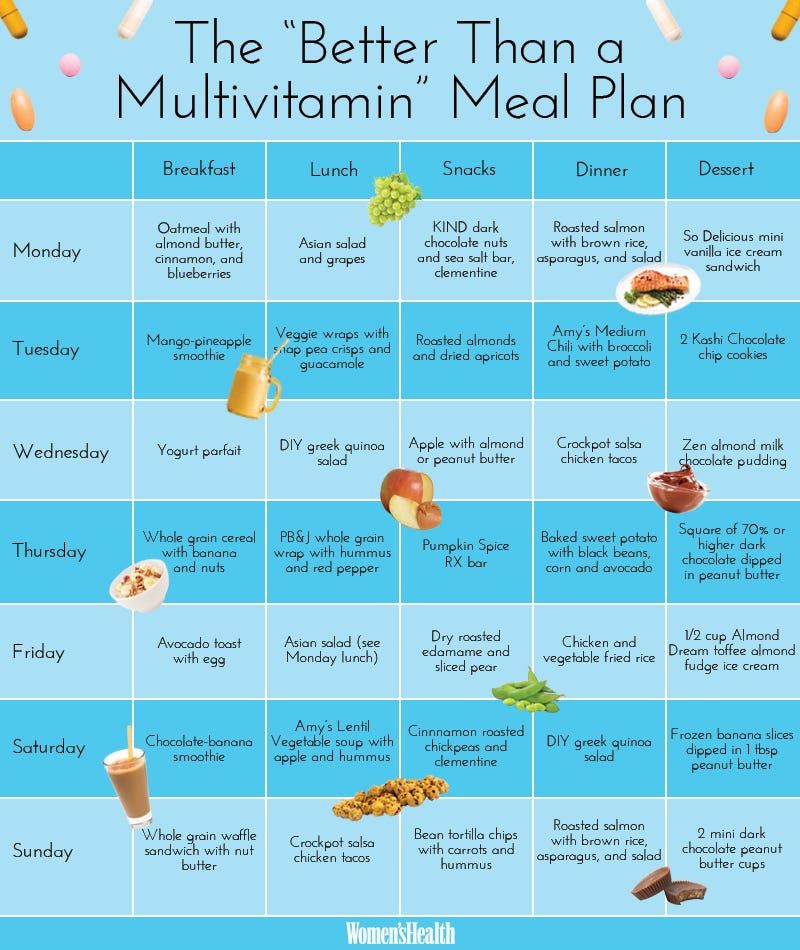
Meal planning is essential for athletes to ensure they are getting the right nutrients to fuel their performance. Here are some tips for meal planning:
Pre-Workout Meal
Opt for a meal that is high in carbohydrates and moderate in protein to provide sustained energy for your workout. Examples include oatmeal with fruit, Greek yogurt with granola, or a turkey sandwich with whole grain bread.
Post-Workout Meal
After exercise, focus on consuming a combination of protein and carbohydrates to aid in recovery. Some post-workout meal ideas include a protein smoothie, grilled chicken with quinoa, or a tuna wrap with vegetables.
Conclusion
Proper nutrition is a cornerstone of athletic performance. Fueling your body with the right nutrients before, during, and after exercise is essential for optimal performance, endurance, and recovery. By following a balanced diet, staying hydrated, and paying attention to key micronutrients, athletes can give themselves the best chance at success.