
Anti-Inflammatory Meal Plan for Better Health
Inflammation is the body’s natural response to injury or infection, but chronic inflammation can lead to serious health issues such as heart disease, diabetes, and cancer. By following an anti-inflammatory meal plan, you can reduce inflammation in the body and improve your overall health.
Key Components of an Anti-Inflammatory Diet
An anti-inflammatory diet is rich in fruits, vegetables, whole grains, healthy fats, and lean proteins. These foods contain antioxidants and other nutrients that help reduce inflammation in the body. Some key components of an anti-inflammatory meal plan include:
Fruits and Vegetables
Include a variety of colorful fruits and vegetables in your diet, as they are rich in antioxidants and phytochemicals that can help reduce inflammation. Berries, leafy greens, and cruciferous vegetables are especially beneficial.
Whole Grains
Choose whole grains such as brown rice, quinoa, and oats over refined grains like white bread and pasta. Whole grains are high in fiber and antioxidants, which can help lower inflammation in the body.
Healthy Fats
Avoid trans fats and saturated fats, and opt for healthy fats such as those found in olive oil, nuts, and seeds. Omega-3 fatty acids, found in fatty fish like salmon and mackerel, are also known for their anti-inflammatory properties.
Lean Proteins
Include lean proteins like chicken, turkey, tofu, and legumes in your diet. These foods provide essential nutrients without the added inflammation that can come from red and processed meats.
Sample Anti-Inflammatory Meal Plan
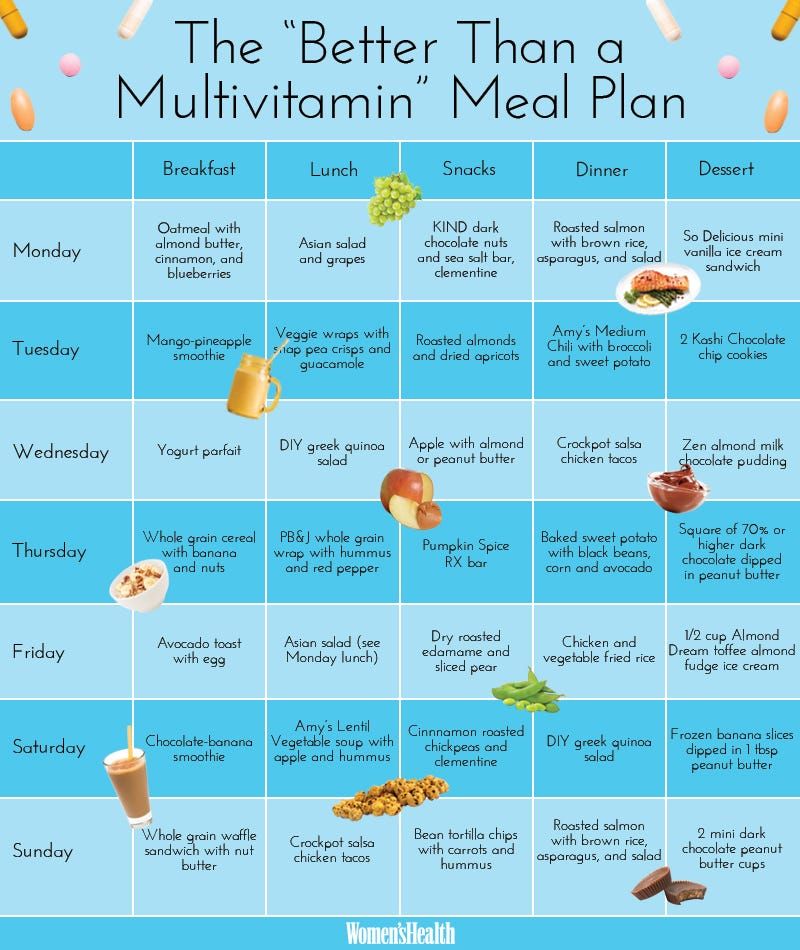
Here is a sample meal plan to get you started on your anti-inflammatory journey:
Breakfast
Greek yogurt topped with berries and almonds
Snack
Carrot sticks with hummus
Lunch
Quinoa salad with mixed vegetables and grilled chicken
Snack
Apple slices with almond butter
Dinner
Baked salmon with roasted sweet potatoes and steamed broccoli
Additional Tips for Reducing Inflammation
In addition to following an anti-inflammatory meal plan, there are other lifestyle changes you can make to reduce inflammation in the body. These include:
Regular Exercise
Physical activity can help reduce inflammation and improve overall health. Aim for at least 30 minutes of moderate exercise most days of the week.
Stress Management
Chronic stress can lead to inflammation in the body, so it’s important to manage stress through techniques such as meditation, deep breathing, and yoga.
Adequate Sleep
Getting enough sleep is essential for reducing inflammation and supporting overall health. Aim for 7-9 hours of quality sleep each night.
Conclusion
By following an anti-inflammatory meal plan and making healthy lifestyle choices, you can reduce inflammation in the body and improve your overall health. Incorporate a variety of fruits, vegetables, whole grains, healthy fats, and lean proteins into your diet, and don’t forget to exercise, manage stress, and get enough sleep. Your body will thank you!